




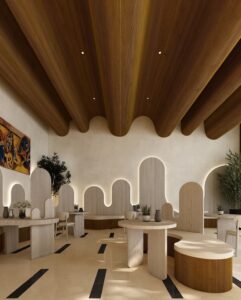

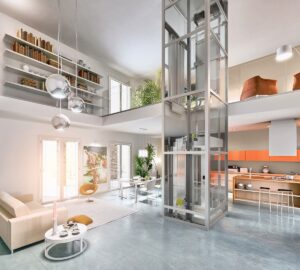



For decades, the standard blueprint for a premium Indian office was majorly visual. It was all about the sleek glass facades, over-vibrant breakout zones, and the ergonomic chairs in the executive cabins.
But, like every other sphere of development, interior spatial designs went through a silent disruption. For us, it’s the concept of acoustic wellbeing.
Sound is the invisible architecture of experience. When you have to talk about a complete spatial design, the sonic structure is profoundly influential. However, for long, the soundscape of space was mistakenly dismissed as only to be a luxury reserved for recording studios. Fortunately, there is a wave amongst the new age interior designers who are recognizing the need for balanced indoor sound quality in almost every sector of design – corporates, hospitals, hospitals, education, public spaces etc.
Designing for performance and sustainability has moved from trend to duty. Aesthetics alone no longer cut it. The new age buildings now need to rank across multiple human-centered metrics while minimizing harmful environmental impact. Employers demand spaces that support productivity and retention; builders & investors demand lower operational and embodied carbon; overall, the occupants want a space that supports their lifestyle.
Keeping all these aligned, acoustic performance couldn’t be a separate afterthought in the design process.
Beyond improving speech intelligibility and reducing unwanted noise, thoughtful acoustic planning is increasingly being associated with neuro-wellbeing. There are plenty of credible reports that support how minimizing cognitive overload and creating calmer soundscapes help people concentrate better, communicate more comfortably, and experience lower levels of everyday stress. Whether in offices that require sustained focus, hospitality environments that encourage meaningful social interactions, or educational spaces where learning depends on clarity, sound through proper acoustic design has become a critical contributor to human performance.
As commercial interiors are redefined how they can perform, there’s a fundamental change in the design concept. Which is why today’s interior architectural scope for acoustic design extends far beyond boardrooms and conference halls. From focus pods, collaboration hubs and breakout lounges to wellness rooms, phone booths, content studios and hybrid meeting spaces, acoustically optimized interiors create ambience where people can think, collaborate and perform much more efficiently than the traditional interiors. These multi-functional spaces help to reduce fatigue, sharpen concentration, and bring a sense of calm and clarity to spaces which are designed for both performance and comfort.
Made from the recycled polyethylene terephthalate, the PET acoustic panels have a lifecycle impact, comes with low VOC, durable and are safe for indoor usage. This shift reframes acoustic materials as part of a building’s technical and ethical specification rather than mere decoration. Therefore, acoustic solutions, whether they are wall panels, clouds, or baffles, do much more than decibel reduction without compromising the design-forward brief of the buildings.
It wouldn’t be a stretch to say that the era of prioritizing aesthetics over actual human performance is effectively over. Today, any interior that has a certain project value needs to perform as beautifully as it should look. The environmental footprint should be of equal value as that of its visual appeal. While many clients and some designers still default to the idea of ‘quiet’ as the goal, there are sharper conversations around the sound design of interior spaces. Acoustic designs now target measurable human outcomes with a focus on cognitive clarity, stress reduction and social ease – all of which align with the acoustic solutions from UniVicoustic.


