







Written by – Mr. Sammeer Pakvasa, Managing Director at Eleganz Interiors
In today’s fast-moving, always-on work environment, conversations around mental health have become more vital than ever. While businesses are taking steps to provide emotional support and wellness programs, one often underestimated contributor to employee well-being lies all around us — the workplace itself.
The way an office is designed — its lighting, layout, colors, and even sound — plays a powerful role in how people feel throughout their day. A thoughtfully crafted space can do more than just look good; it can uplift, calm, and energize. A poorly planned one, on the other hand, can contribute to stress and fatigue.
Here’s how design can either uplift or drain the human spirit at work:
1. Natural Light: A Daily Boost
Workspaces with access to daylight tend to feel more open and positive. Bright, naturally lit environments help people stay alert and energized, while gloomy or overly artificial lighting can feel stifling and dull. A desk next to a window or a tiny skylight can make a big impact in how you feel.
2. Bringing Nature Indoors
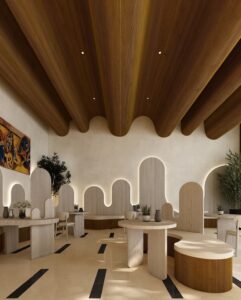
Greenery isn’t just for aesthetics. Having plants around or using materials and patterns inspired by nature can create a calming effect. Elements such as wood, stone, or bamboo provide warmth and comfort. These small touches make an office feel more human and less mechanical.
3. Layout That Respects People’s Needs
Not everyone works best in the same way. Some people like quiet, focused areas, while others flourish in collaborative environments. A balanced office offers both — allowing people to move between concentration and conversation. Too much openness can feel chaotic, while too many barriers can feel isolating. The magic lies in the mix.
4. A Peaceful Sound Environment
Noise can be a very big factor in gradually depleting focus and patience. A workspace that buffers sound, uses noise-friendly materials, or simply includes quiet zones helps create mental breathing room.
5. Color That Supports the Mind
Colors aren’t just decorative; they carry emotion. Calmer tones like blues and greens can relax the mind, while warm hues add energy and excitement. Choosing the right shades for the right spaces — soft tones where focus is needed and brighter tones where creativity flows — adds another layer of emotional comfort.
6. Ergonomics That Encourage Ease
Comfortable seating, adjustable desks, and proper screen placement may seem like small details, but they make a world of difference over time. An environment that supports the body also supports the mind — reducing irritation, strain, and fatigue.
7. Spaces for Rest and Pause
Sometimes, the most important thing in an office is a place to not work. A quiet lounge, a wellness room, or a peaceful nook can offer a moment to recharge. These areas don’t just feel like perks — they become vital in keeping burnout at bay.
Design isn’t just about form and function. It’s about feeling. When office spaces are created with the human experience at the center, they stop being just places of work and start becoming environments of care, connection, and clarity.


