







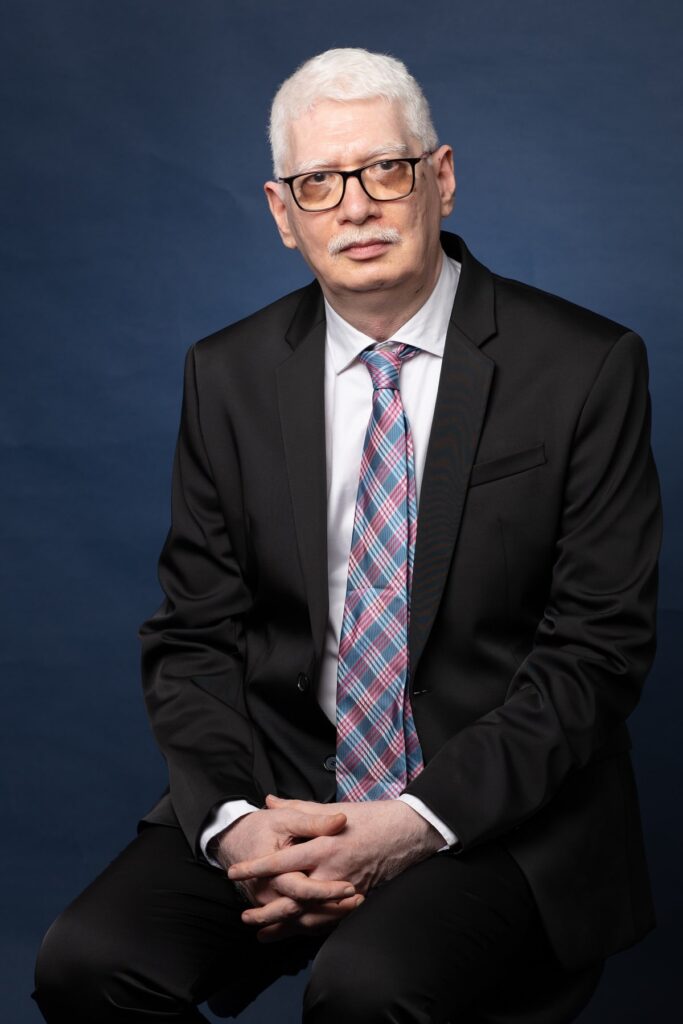
“Atul Shah, Founder and Principal of Access Architects, champions an architectural approach that harmonizes advanced materials, intelligent systems, and sustainable design. His philosophy emphasizes simplicity, empathy, and purpose, creating built environments that not only serve but also inspire communities.”
How would you define “futuristic architecture” in today’s context?
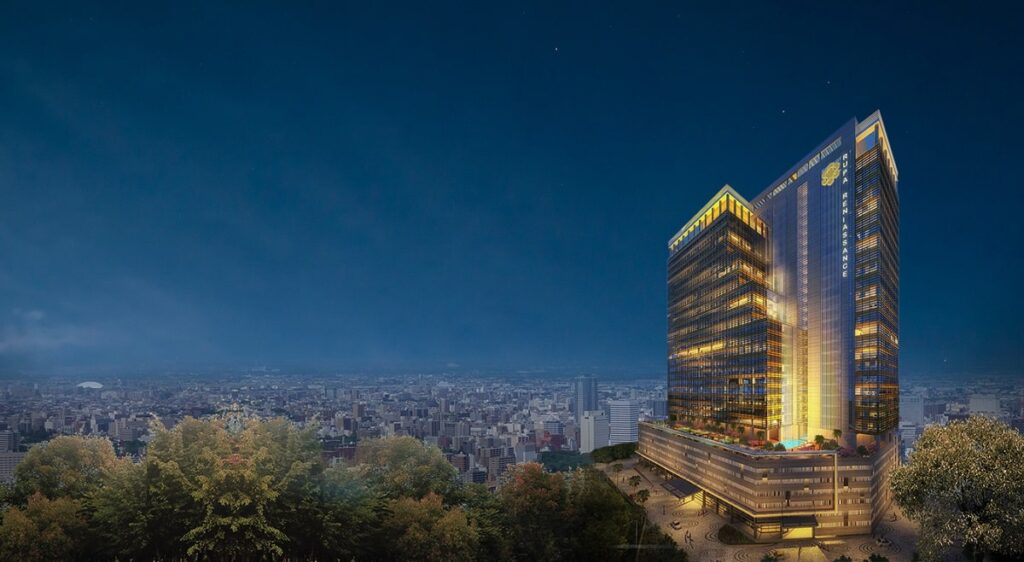
Architects are increasingly employing modern materials such as glass, steel, and concrete along with advanced technologies including self-healing concrete, intelligent facades, and 3D printing to design bold and complex structures. These futuristic designs emphasise sustainability, integrating renewable energy, intelligent control systems, and eco-friendly technologies, while also addressing human needs and climate change. The concept extends to “Smart Cities”, where buildings, transport, and infrastructure are intelligently networked to enhance urban living. Futuristic architecture is also renowned for unique, often asymmetric, non-linear geometries, resulting in visually striking structures that enhance the urban landscape.What philosophies or inspirations shape your contemporary design approach?
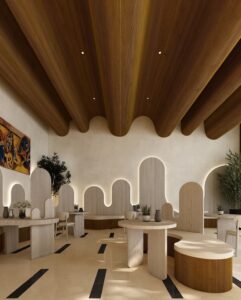
The current design ethos prioritizes intuitive, user-friendly products and environments, removing unnecessary elements to focus on essential functions. Designs are guided by an object’s purpose and utility, with an emphasis on high-quality, durable items meant to last. There’s a trend towards maximizing natural light, utilizing natural materials, and harmonizing the built environment with nature. The approach prioritizes human and community well-being, aiming to create inclusive spaces that foster empathy and connection.

How do you balance innovation with practicality in your projects?
Understanding the problem and defining achievable goals is the first step in design. A user-centric approach is crucial to identify pain points and ensure the design addresses real needs. Design decisions should take into account project limitations such as budget, technology, and manufacturing processes. Brainstorming should be expansive to allow a wide range of innovative ideas, rather than settling for the first workable concept. Prototyping early and often allows testing of the feasibility and usability of concepts before final production.

What do you believe the next 5–10 years of architecture will look like?
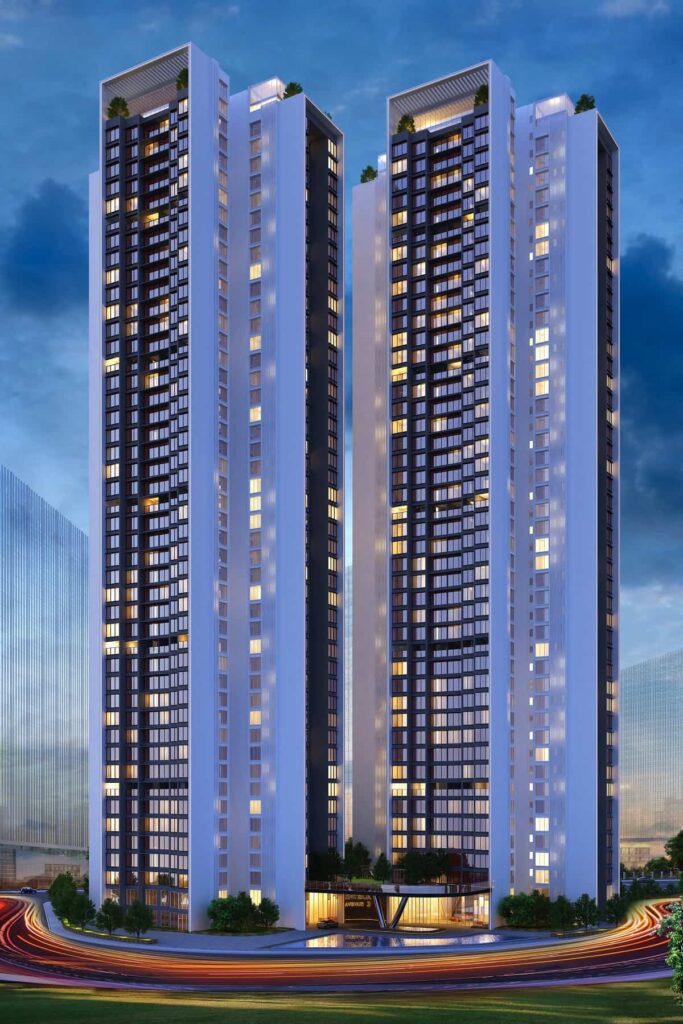
Designing for energy efficiency and climate resilience will be a primary driver in the future of architecture. This includes incorporating green roofs and walls and better insulation to reduce energy consumption. Older structures will be redeveloped into sustainable spaces, with an emphasis on using local materials. There will also be a focus on regional specializations, encouraging professionals to become experts in their specific areas. Buildings will increasingly use sensor networks and building management systems to optimize energy usage, integrating with the Internet of Things. Innovative urban planning concepts will emerge, such as super-deep basements and new spaces on rivers or at sea. Future design will be people-centered, focusing not just on functionality, but also on enhancing human well-being and fostering community.


