

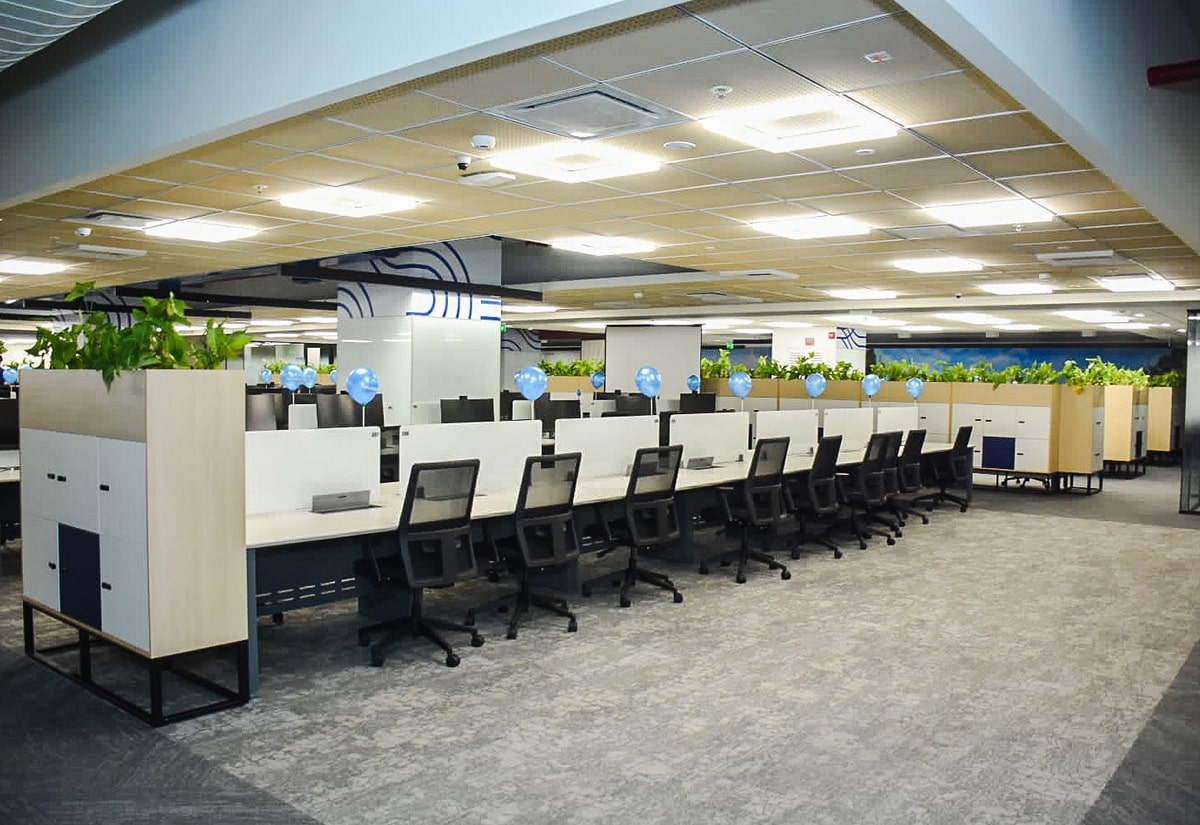
How Purpose-Driven Design Is Redefining the Modern Office
Why Adaptive Design Is the Next Frontier of Workplace Innovation
The way people experience work has evolved more in the past five years than in the previous two decades. Offices that were once static, uniform spaces are now being reimagined as dynamic environments that adapt to the rhythm and needs of their employees. According to recent industry reports, the interior fit-out market, which includes furniture, fixtures and workplace technology, is projected to rise from ₹277 billion in 2023 to ₹805 billion by 2030, reflecting a strong CAGR of 16.5%. This surge in investment signals a deeper shift in how organisations view the workplace. The modern office is now seen as a strategic asset that fosters creativity, well-being and adaptability. Design priorities have moved towards flexibility, comfort and collaboration, transforming workspaces into active centres of innovation and engagement.
Spaces that Balance Focus and Collaboration
Open-plan offices continue to dominate many workplaces, but the growing demand for privacy and concentration has led to the rise of individual working pods. These pods offer acoustic insulation, built-in power and USB ports, and ergonomic seating, allowing employees to enjoy a sense of separation without isolating them from their team.
What makes these pods especially relevant today is their modularity. Many designs can be reconfigured as teams grow or as hybrid work patterns change. This adaptability ensures that offices remain flexible to support collaboration while providing a quiet environment when it’s needed most.
Movement as a Design Principle
Another major design shift focuses on encouraging physical movement throughout the day. Sit-stand desks have become central to ergonomic office planning, helping employees alternate between sitting and standing to ease fatigue and boost circulation.
The emphasis today is on balance, not extremes. Designers are integrating adjustable monitors, anti-fatigue mats, and reminders to switch postures, ensuring these desks enhance both comfort and productivity. The result is a workspace that actively supports energy and focus rather than simply accommodating work.
Ergonomic Support
If the desk encourages movement, the chair provides the necessary support. The latest ergonomic chairs are designed around human posture, with adjustable lumbar support, seat slides, and flexible armrests that adapt to each user’s build and habits.
The focus is on prevention as much as comfort. Poor posture and inadequate seating are known to lower productivity and cause long-term strain. As manufacturers integrate data-driven design, furniture is becoming more responsive for reducing fatigue and improving concentration across the workday.
The Quiet Revolution in Office Design
As open and collaborative offices have become the norm, noise fatigue and constant distraction have become common challenges. This has led to the growing use of ‘silent zones’, which are quiet rooms or cabins designed for deep focus and uninterrupted work. Research indicates that stress levels can drop by up to 27%, while concentration improves by nearly 48% when employees work in low-noise settings.[1]
These areas use high-density sound-absorbing materials and are typically placed away from busy sections to manage noise effectively. They also contribute to mental well-being and balance within the workspace. Silent zones are now a core element of workplace design, ensuring that employees have access to spaces that support both focus and recovery.
Workspaces That Shape-Shift
Adaptability has become the foundation of modern workspace design. Furniture, zones and layouts are now expected to evolve as teams, tasks and business needs change. Modular systems such as movable partitions, mobile furniture and convertible workstations allow organisations to reconfigure their spaces quickly without costly renovations.
This modular approach supports hybrid working models, project-based teams and multifunctional spaces. It also reduces downtime and capital expenditure, giving businesses the agility to align their workspace with changing priorities.
Sustainable Innovation
Today’s workplace innovation extends beyond comfort and functionality to environmental responsibility. Companies are increasingly investing in sustainable interiors using recyclable materials, low-VOC finishes, and durable components that minimise waste.
Modular furniture is particularly valued for its longevity, as it can be repurposed instead of replaced. These design choices don’t just reduce environmental impact; they also strengthen an organisation’s ESG narrative, aligning aesthetics with purpose. Sustainability has moved from being a design trend to a defining principle of how modern offices are built.
Smart Technology Integration
Modern offices are becoming more intelligent through the integration of smart technologies. Sensors track usage, air quality, and occupancy, while IoT-enabled furniture adapts to employee preferences. This intelligent integration creates a responsive ecosystem that continuously learns and improves.
These insights inform design decisions on how spaces are used, when energy peaks, and what enhances comfort. The result is an office that feels alive, capable of evolving with its people rather than around them.
Designing for People, Not Just Places
The evolution of workplace design is no longer centred on aesthetics alone. Innovation now focuses on creating human-centred environments that promote well-being, focus, flexibility and sustainability. From individual working pods and sit-stand desks to ergonomic chairs and silent zones, every element plays a role in shaping a workspace that supports both productivity and comfort.
As organisations continue to adapt to hybrid and dynamic work models, the physical workspace must evolve in parallel. The future of office design lies in spaces that are flexible, intelligent, sustainable and above all, designed with people at their core.