

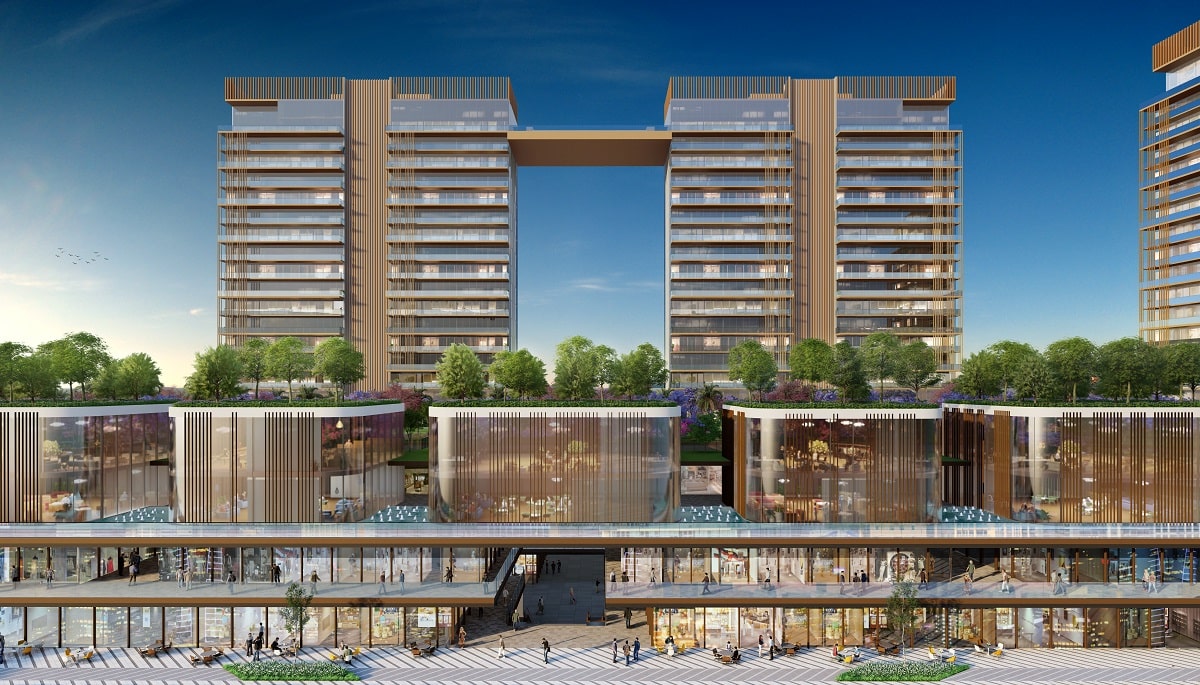
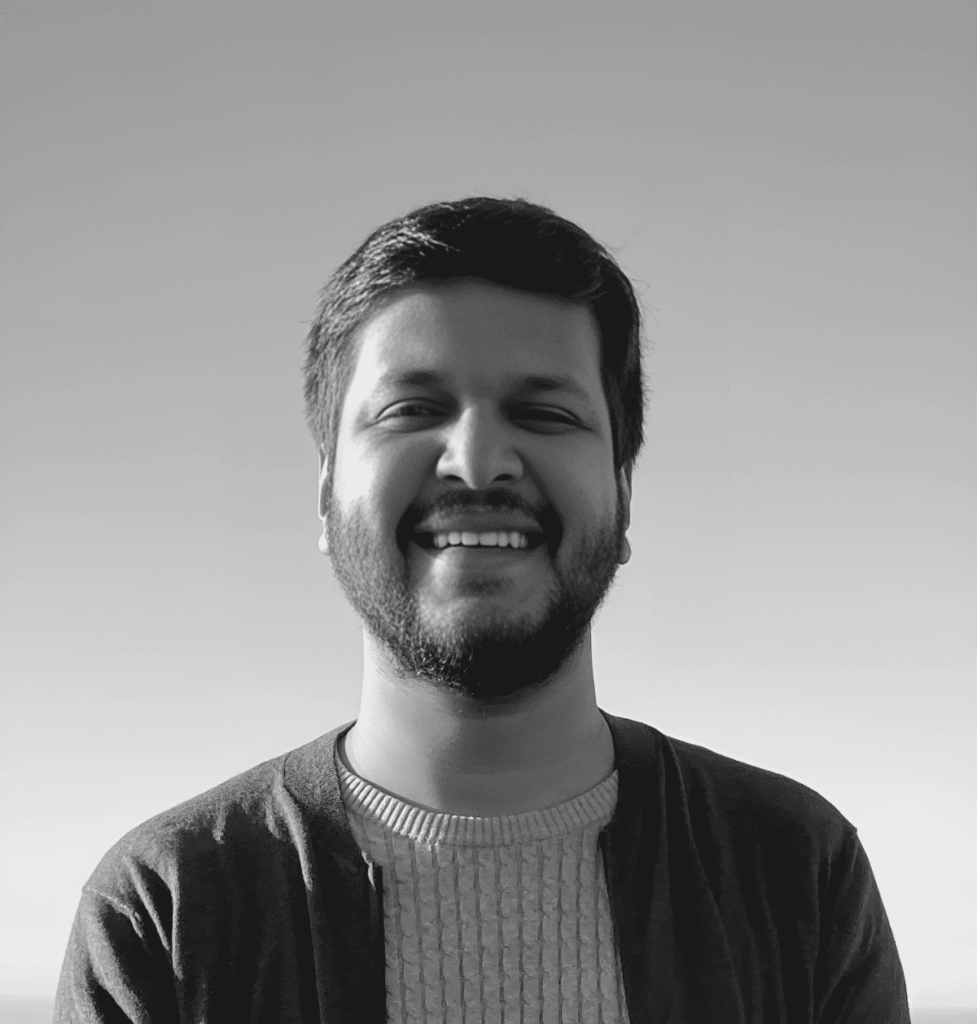
“Ar. Shivang Bansal, Principal Associate at Vastunidhi Architects, envisions the future of architecture as modular, flexible, and deeply human-centric. For him, design is less about visual spectacle and more about creating adaptive frameworks that respond to shifting needs, technologies, and ecological realities.”
How would you define “futuristic architecture” in today’s context?
For us, futuristic architecture is less about eccentric forms and more about standardisation, modularity, and flexibility. It’s about creating open-plan systems that are adaptable to changing user needs, shifting urban conditions, and evolving technologies. The future demands buildings that are not rigid monuments, but responsive frameworks, capable of expansion, repurposing, and integration with future services.
In that sense, futuristic design is as much about the process of making as it is about the outcome. The ability to industrialise quality, reduce errors, and accelerate timelines through standard modules and efficient systems is where the future truly lies.
What philosophies or inspirations shape your contemporary design approach?
Our design approach is shaped by a deep sense of responsibility, social, ecological, and spatial. We draw inspiration from the cultural richness of Indian cities and the dynamism of global design discourse. But we believe good design is less about visual signature and more about how sensitively it integrates with its context, climatic, human, infrastructural. We follow a human-centric and collaborative design philosophy that allows form to follow not just function, but also foresight.
How do you balance innovation with practicality in your projects?
Innovation is not about reinventing the wheel, it’s about refining it to roll better in today’s terrain. With every project, we challenge the status quo of what’s “standard” while remaining rooted in functional clarity, economic viability, and executional efficiency. We use technology, modeling, and simulation to prototype ideas, but we also listen deeply to engineers, consultants, and craftspeople. That synergy helps us walk the fine line between bold thinking and buildable outcomes.
Can you share a recent project that reflects your futuristic vision?
One of our ongoing projects, the Institute of Organ Transplant in Kozhikode, is a strong reflection of our futuristic vision. Healthcare architecture, especially one as specialized as this, demands more than just technical precision, it calls for deep sensitivity to human experience, adaptability, and long-term resilience. We’re designing this institute as a space that not only supports cutting-edge medical procedures but also fosters emotional well-being and recovery. With modular planning, natural daylight integration, and zones for both high-tech and human-touch functions, the project is set to evolve with future advancements in organ transplant procedures. It’s an intersection of science, empathy, and foresight, and we’re excited to see it take shape.
What materials or techniques are you experimenting with currently?
We’ve been increasingly working with pre-cast construction systems and composite structural techniques, especially for large-scale urban and institutional projects. These systems allow for cleaner execution, better speed, and less material wastage, all of which are critical in today’s construction environment.
That said, one of the key challenges remains the lack of organised fabrication ecosystems in India. Reliable glass processors, integrated production lines, and consistent pre-fab agencies are still limited, which affects quality control and long-term confidence in these methods. So while the intent and design are future-ready, the execution still has a few gaps to bridge.
What do you believe the next 5–10 years of architecture will look like, and what advice would you give young designers aiming to break conventional design patterns?
The next decade will see architecture evolve into adaptive, data-driven systems that respond to climate, usage, and even social mood. Buildings will blur the line between digital and physical, while public spaces gain as much significance as private real estate. Circular design principles—reuse, flexibility, and disassembly—will shape construction, ensuring resilience and sustainability.
For young designers, the advice is simple: stay endlessly curious. Study beyond architecture—society, behavior, materials, and urban systems. Innovation need not be loud; subtle interventions often challenge conventions most powerfully. True originality emerges from constraints—work with reality, not against it, to create meaningful futures.
What do you see architecture evolving into over the next decade, and what advice would you give young designers breaking conventions?
The coming decade will see architecture transform into adaptive, data-driven systems that respond to climate, user needs, and social dynamics. Digital and physical spaces will merge, and circular design—reuse, flexibility, and disassembly—will guide construction, ensuring resilience and sustainability. Public spaces will gain prominence, shaping community life as much as private developments. For young designers, the key is curiosity: explore society, behavior, materials, and technology beyond architecture. Embrace constraints, as they often inspire true originality. Innovation doesn’t always mean loud gestures—subtle, meaningful interventions can challenge conventions and create lasting impact.